Course Description
Exploration of the conceptual foundations of leisure, recreation, sport, play, and work, the history of ideas in the field, and the relationships of these ideas to contemporary professional and social problems.
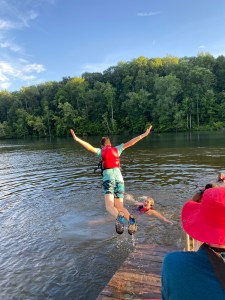
Learning Objectives:
1. Identify the basic concepts, terminology, and principles applicable to parks, recreation, and tourism.
2. Explain the factors and forces that influence recreation and leisure behavior.
3. Analyze current themes and contemporary trends related to parks, recreation, and tourism.
4. Describe effective approaches to recreation planning and management.
Reflections and Summary
The first course I took in this program was Conceptual Foundations of Recreation. With my undergraduate degrees being in Animal Science and Business Management it had been several years since I had taken any sort of social science class.
Going into this class, I thought I would learn about types of recreation in the simpler sense of what people do for fun. I didn’t realize, however, how much this class would challenge me to think critically about the historical contexts of recreation, what motivates people to choose certain types of activities over others, and how practitioners can utilize the relationship between motivations, constraints, and the desire for recreation in order to meet the physiological and psychological needs of participants.
My favorite part of this course involved the weekly class meetings with my cohort peers and our instructor, Dr. Lee. The weekly readings were reinforced through conversations with my classmates, and the diversity of backgrounds and experiences enhanced my knowledge of the principles. This course taught me that leisure is not merely the hobbies that we do for fun, but recreation and leisure are necessary for positive mental and health outcomes and these opportunities should be accessible to everyone.
Primary Artifact: Environmental Attitudes and Leisure
 Caroline Goss Portfolio